

Rubbish Data: Moving from Greenwash to Transparency
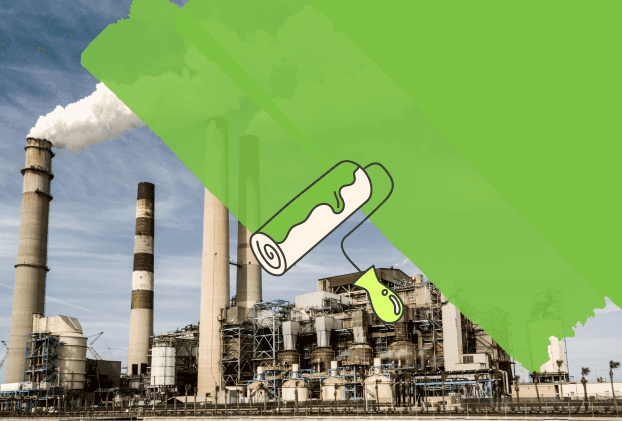
With the UK Competitions and Market Authority now investigating a number of brands over their green claims, companies should be on high alert to avoid misleading customers with spurious environmental claims. One area where we have noticed bold, if questionable, claims being made is the zero to landfill promises so often emblazoned on waste company vehicles or touted in waste reports.
The recent Zero Waste Europe report Incineration Residues in the EU: Quantities and fates should give waste producers pause for thought. The report found that between 11.3 and 16 million tonnes of incineration residues are landfilled annually, of which around 6.4 million tonnes are from municipal waste. Incineration absolutely has its place. There are waste streams that can have no other fate and some unrecyclable waste being incinerated for energy production is sensible. But given that, regardless of the reason for incineration, there are residues and bottom ash that then require landfilling, we should view all claims of zero to landfill with extreme scepticism.
Greenwashing is Appealing
It is easy to understand how these claims have been appealing, both to waste management companies wanting to tout their environmental credentials and to waste producers wanting to implement zero waste policies and targets. It is also easy to understand how these claims have gone unchecked and become the norm, given the current state of transparency, or lack of it, in waste supply chains and the almost complete absence of quality data on waste, especially commercial and industrial waste.
We know how hard it is for waste producers to truly understand the fate of their waste at present. Waste management companies are often cagey about sharing information on the onward and final destination of the waste they manage for clients. Some of this is down to worries about sharing commercially sensitive information, despite the fact that knowing the end fate of waste is part of a waste producer's legal duty of care.
From our experience, I would also wager that many waste management companies simply do not have the digital systems to track the waste they manage accurately. This creates a challenge since waste producers are now expecting increasingly detailed reporting from their waste contractors, and large contracts are being won and lost on the basis of the quality of data the customer can access.
Digital Transparency
Add to this the soon-to-be-introduced mandatory digital waste tracking that Defra consulted on earlier this year and there is a clear necessity for waste management companies to implement digital systems to run their businesses.
Once the new system is rolled out, regulators will have access to accurate, near real-time data about every waste transaction. Waste producers and waste management companies will be able to see all the transactions in their waste supply chain. When this happens, I think we will see a lot of companies having to revise their zero to landfill claims because it will become clear that this simply is not true in many instances.
Given that we cannot define an accurate baseline from the current data available, maybe there should be an amnesty on prior waste claims, with businesses encouraged to start with a fresh slate, using the new data that will be available through waste tracking to set new targets and measure progress accurately and transparently.
Without that, companies can expect not only scrutiny from environmental regulators but also the risk of investigation from the CMA. Given the enormous challenges ahead of us in the face of the climate emergency, we need to be open and transparent about our sustainability efforts and share the learnings that come from both our successes and our failures. Better data and digital systems can help with that.
Related Products
Compliance Dashboard
Our Compliance Dashboard is the place to manage all your waste compliance, documents, contracts, and data.
It delivers a real-time view of the compliance status of your waste contractors and any onward disposal sites or subcontractors, powered by the Environment Agency's API.
Learn morePaperwork
Designed and built for SME waste companies, with SME waste companies, Paperwork is Dsposal's complete waste management software.
Streamline your entire business operations from opportunities all the way through to invoicing to increase productivity and profitability.
Learn more