

Hire a skip: Things you need to think about before hiring skips
If you've decided to do some building, decorating, gardening, or are undertaking a major decluttering project, then you may need to hire a skip. Here, we highlight the things you should think about before hiring one.
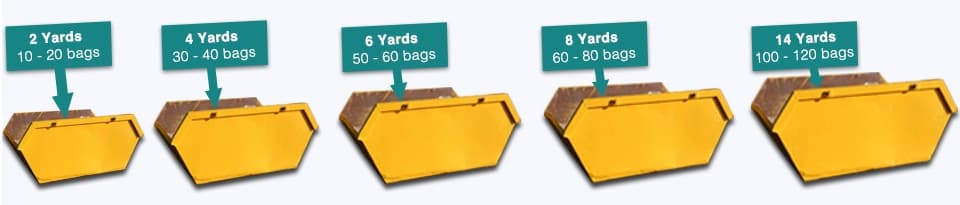
What Size Skip Do I Need?
When you hire a skip, choosing the right size is important. You need to think about how much waste your project is likely to create. Skips come in a variety of sizes and the table below shows common sizes together with an estimate of how many full bin bags they can hold.
| Skip Type | Volume (cubic metres) approx. | Size (length x width x height) approx. | Volume (cubic yards) approx. | Size (length x width x height) approx. | Capacity (in full bin bags) approx. |
|---|---|---|---|---|---|
| Mini Skip | 1.5 | 1.2 x 0.9 x 0.9 metres | 2 | 4 x 3 x 3 feet | 15 - 25 |
| Mini Skip | 2.3 | 1.5 x 1.2 x 0.9 metres | 3 | 5 x 4 x 3 feet | 25 - 35 |
| Midi Skip | 3.1 | 1.8 x 1.2 x 0.9 metres | 4 | 6 x 4 x 3 feet | 35 - 45 |
| Maxi Skip (aka Builders' Skip) | 4.6 | 3 x 1.2 x 1.2 metres | 6 | 10 x 4 x 4 feet | 50 |
| Maxi Skip (Builders' Skip) | 6.1 | 3.7 x 1.8 x 1.2 metres | 8 | 12 x 6 x 4 feet | 80 |
| Maxi Skip (Builders' Skip) | 8.9 | 3.7 x 1.8 x 1.5 metres | 10 | 12 x 6 x 5 feet | 90 |
| Maxi Skip (Builders' Skip) | 9.2 | 4 x 1.8 x 1.8 metres | 12 | 13 x 6 x 6 feet | 110 |
| Roll-on Roll-off | 13.8 | 6.1 x 2.4 x 1.8 metres | 18 | 20 x 8 x 6 feet | 150 |
| Roll-on Roll-off | 22.9 | 6.1 x 2.4 x 2.4 metres | 30 | 20 x 8 x 8 feet | 200 |
| Roll-on Roll-off | 30.6 | 6.1 x 2.4 x 2.7 metres | 40 | 20 x 8 x 9 feet | 300 |
When you hire a skip, aim for one that is slightly too big for your requirements. This could save you time, energy, and money in the long run. It is all too easy to underestimate how much waste a project is going to create, and if your skip is too small you may have no choice but to hire a second one.
It is also important to remember that a skip can only be filled level to the top. Suppliers can face prosecution for unsafe or overweight loads.
Finally, if you are placing the skip off-road, check your gates are wide enough to allow the skip lorry through. The skip itself might fit fine, but the lorry will usually be wider.
Where Should I Put the Skip?
You are free to put your skip anywhere on your private property, provided the driver can access the location, but you should be certain of where you want it placed. For convenience, choose a space that is big enough, close enough to the work site, and easy for the driver to access.
There are a couple of things to remember:
- do not put your skip over any utility access points
- be aware of any overhead cables or overhanging trees and inform the driver of any issues
- give the skip lorry driver clear instructions when they arrive
- once the skip has been placed it should not be moved, otherwise it may become inaccessible for collection
If you intend to put the skip on the road, then you will most likely require a permit.
Do I Need a Permit if I Want to Hire a Skip?
If you are planning on putting the skip on a public road, you will usually need a skip permit.
Before your skip is delivered, that permit will need to be in place. If it is not, you may be fined. Skip permits are issued by your local council. Depending on the council, the application may be made either by you or by the company providing the skip.
It normally takes at least a few days to arrange a skip permit, so allow for this in your planning. When you arrange to hire a skip, confirm whether the company will organise the permit or whether you need to do it yourself.
How Long Do You Need to Hire a Skip For?
This depends on how much waste you have, how close the skip can be placed to where you are working, and how many people are helping to load it.
Make sure you are clear with the skip hire company about how long you will need it, because you do not want your skip being removed too soon. On the other hand, remember that more days usually cost more money, so it may be more cost-effective to get some help loading the waste and reduce the hire period.
If it is important that the skip is removed before a certain date, especially if it is on public land and needs a permit, make sure you get a clear commitment from the company about when it will be collected.
What Waste Can Go in the Skip?
When you hire a skip it is important to know what can go into it. Below is a list of items that are commonly accepted:
- general waste
- builder's waste
- wood
- metal
- inert waste
- sand
- drywall
- concrete
- brick
- rubble
- hardcore
- furniture
- furnishings
- fittings (non-electrical)
- gas cookers
- plastic
- packaging, including cardboard, plastic, and polystyrene
- food
- food packaging
- soil, as long as it is not contaminated with asbestos or oil
- solidified paint
Hazardous waste such as fridges, asbestos, liquid paint, fluorescent tubes, gas canisters, oil, computer monitors, and old TV sets must be disposed of separately and should not be put into the skip.
Remember the Paperwork
Once you have hired the skip, had it delivered, loaded it, and arranged collection, make sure you get the paperwork from the driver. This paperwork is important. It is usually a waste transfer note, sometimes included on an invoice and sometimes provided as a separate document.
If the paperwork is provided on an invoice, make sure it details:
- the waste collected
- the amount of waste collected
- your name
- your address
- the date the collection was made
- the name of the skip company
- the address of the skip company
- the skip company's registration number
Then keep the waste transfer note in a safe place.
Final Checks Before You Hire
Before hiring a skip, make sure you have thought through:
- the size you need
- where it will be placed
- whether you need a permit
- how long you need it for
- what waste can legally go inside
- whether you will receive the right paperwork at collection
Getting these details right helps you avoid extra cost, delays, and compliance issues.