
Using the Waste Thesaurus
The Waste Thesaurus helps signpost people to the right reference code for their waste. These reference codes are called European Waste Catalogue codes, or EWC codes. You might also know them as LoW codes. They can be confusing and are written in a language that few people fully understand or use. That is why Dsposal built the Waste Thesaurus. Think of it as an EWC code checker.
In this article, you will learn how to use the Dsposal Waste Thesaurus.
Before You Start
Here are some things to know before you begin.
- The reference codes used for waste are called European Waste Catalogue codes. Read What is a European Waste Catalogue (EWC) Code? to learn more.
- You do not need to register for an account to view the Waste Thesaurus.
- The Dsposal Waste Thesaurus is provided as general information for your use of Dsposal. You should obtain professional advice before taking any action based on the content, as set out in our Terms of Use.
What is the Dsposal Waste Thesaurus?
A thesaurus is a book that lists words or phrases into groups of words and phrases that mean exactly, or nearly, the same thing. The Dsposal Waste Thesaurus does the same, but for different types of waste.
The Dsposal Waste Thesaurus is a reference database that lists types of waste grouped together according to a relevant EWC code. The purpose of this refuse thesaurus is to help users find the right EWC code, or codes, by which waste may be most fitly and aptly described. In practical terms, it makes it easier to find the right code for your waste.
Dsposal Waste Thesaurus Example
During the metalworking process, cutting fluids are used to:
- keep the cutting tool at a stable temperature
- maximise the life of the cutting tip
- prevent rust on machine parts and cutters
However, these fluids degrade over time due to contaminants entering the lubrication system, and they require safe transport and disposal. But which EWC code best describes this cutting fluid?
Browsing through the European Waste Catalogue, there is no entry for cutting fluid. Using an online search engine, there are different names for cutting fluid, including:
- coolant
- cutting oil
- cutting compound
- heat transfer fluid
- lubricant
- tramp oil
- sump oil
- soluble oil
- machining lubricant
None of these are an entry in the EWC code list either. Using the Dsposal Waste Thesaurus makes deciding on the most appropriate code easier.
Step 1
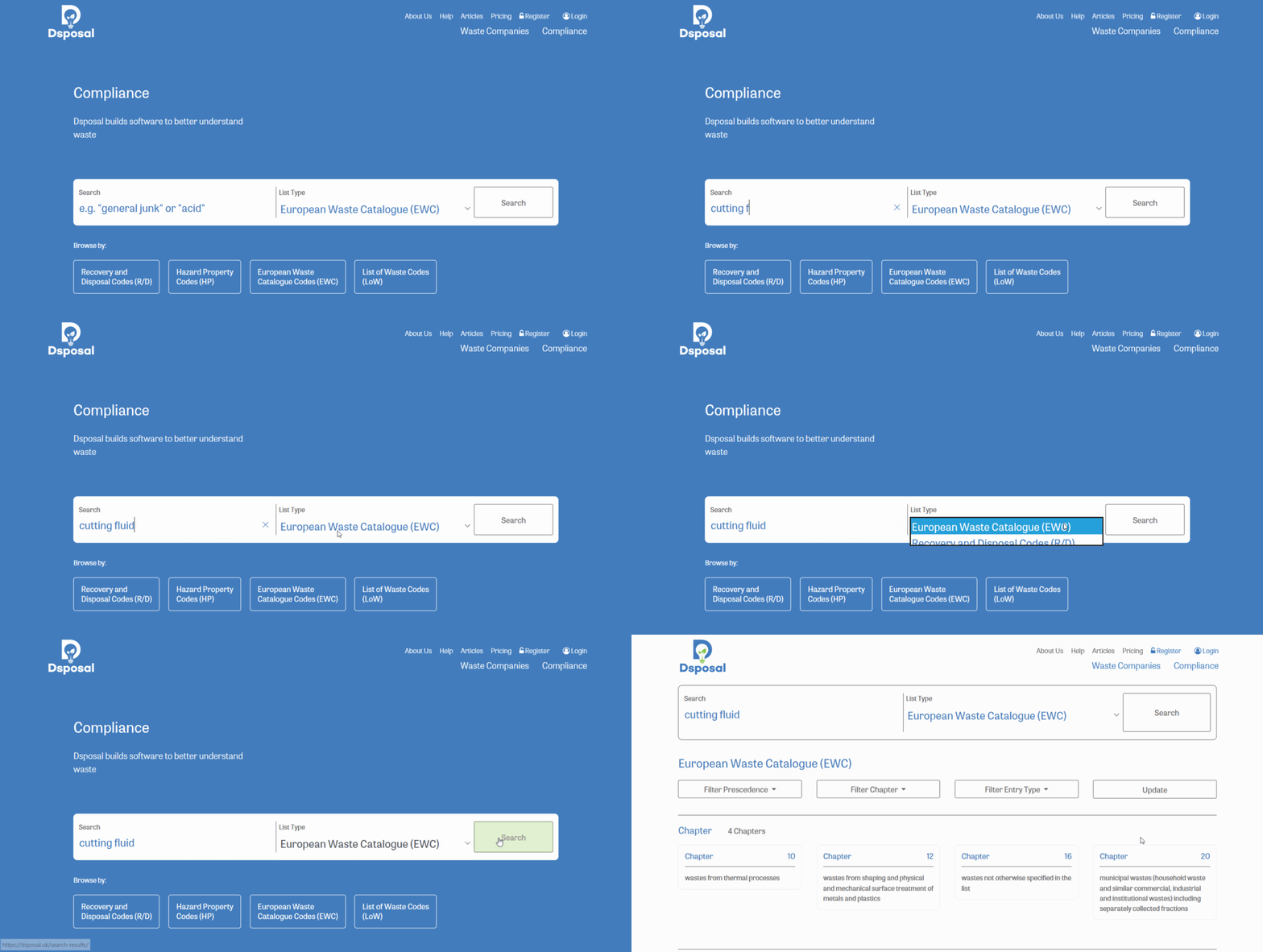
Head to the Waste Thesaurus search, type in cutting fluid, choose EWC codes, and press search. This searches the database of EWC codes and Waste Thesaurus entries and returns the results.
The results page contains different chapters, sub-chapters, entries, and waste thesaurus keywords. This can be a long and confusing list. Reducing the number of results helps you find the correct EWC code faster.
Step 2
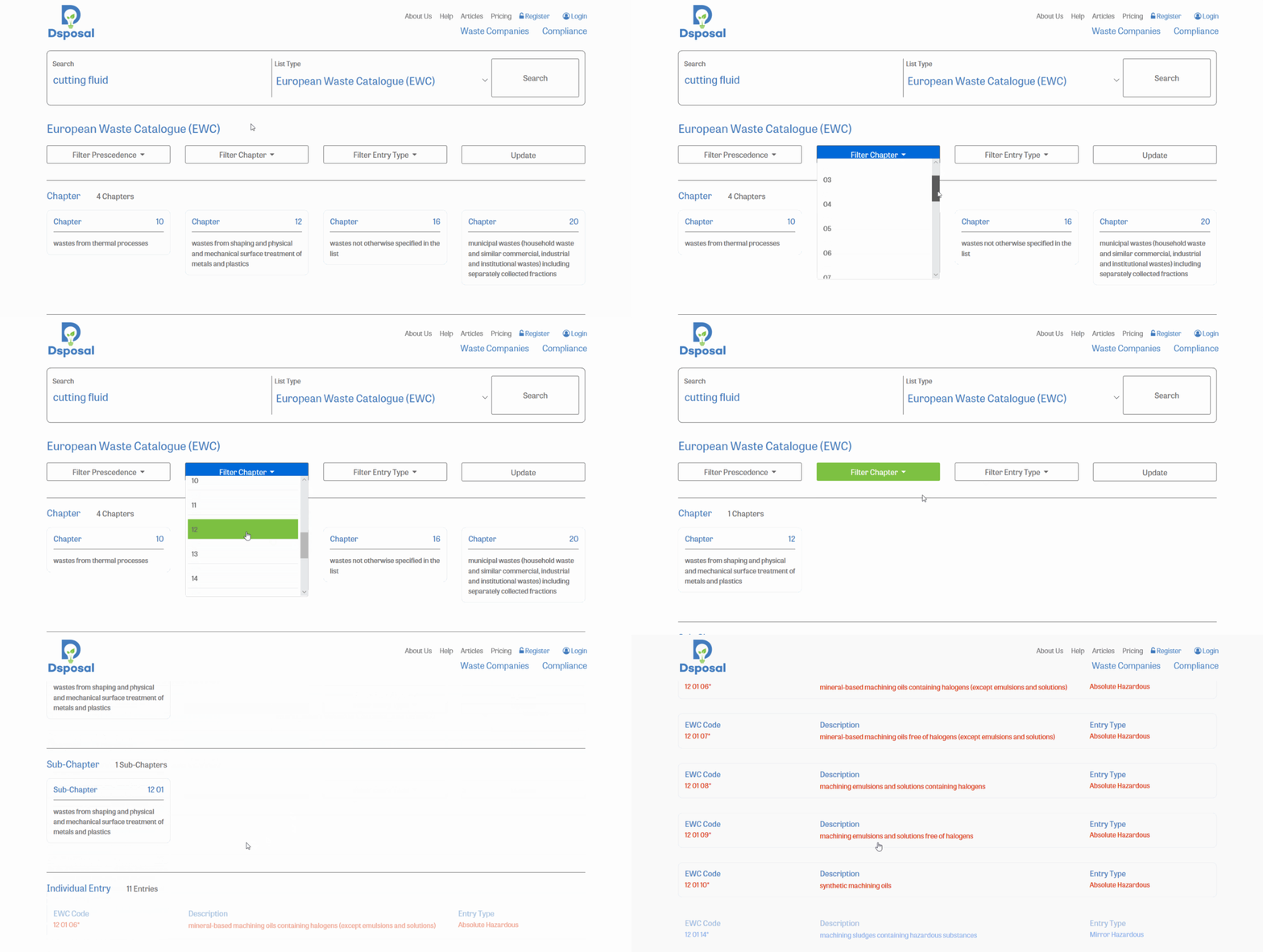
The next step is to determine the correct chapter. For cutting fluid in the metalworking process, the most likely chapter is chapter 12, wastes from shaping and physical and mechanical surface treatment of metals and plastics. In the filters menu, choose the chapter filter, find 12, and update the results. This reduces the number of possible options.
Step 3
Looking at the individual entries, there are a number of different entries that could cover cutting fluids depending on whether they are mineral-based, synthetic, neat, biodegradable, or halogenated. Determining the correct waste code depends on the waste producer's processes. If the process diluted the oil and does not contain chlorine or chlorides, then the likely code is 12 01 09*.
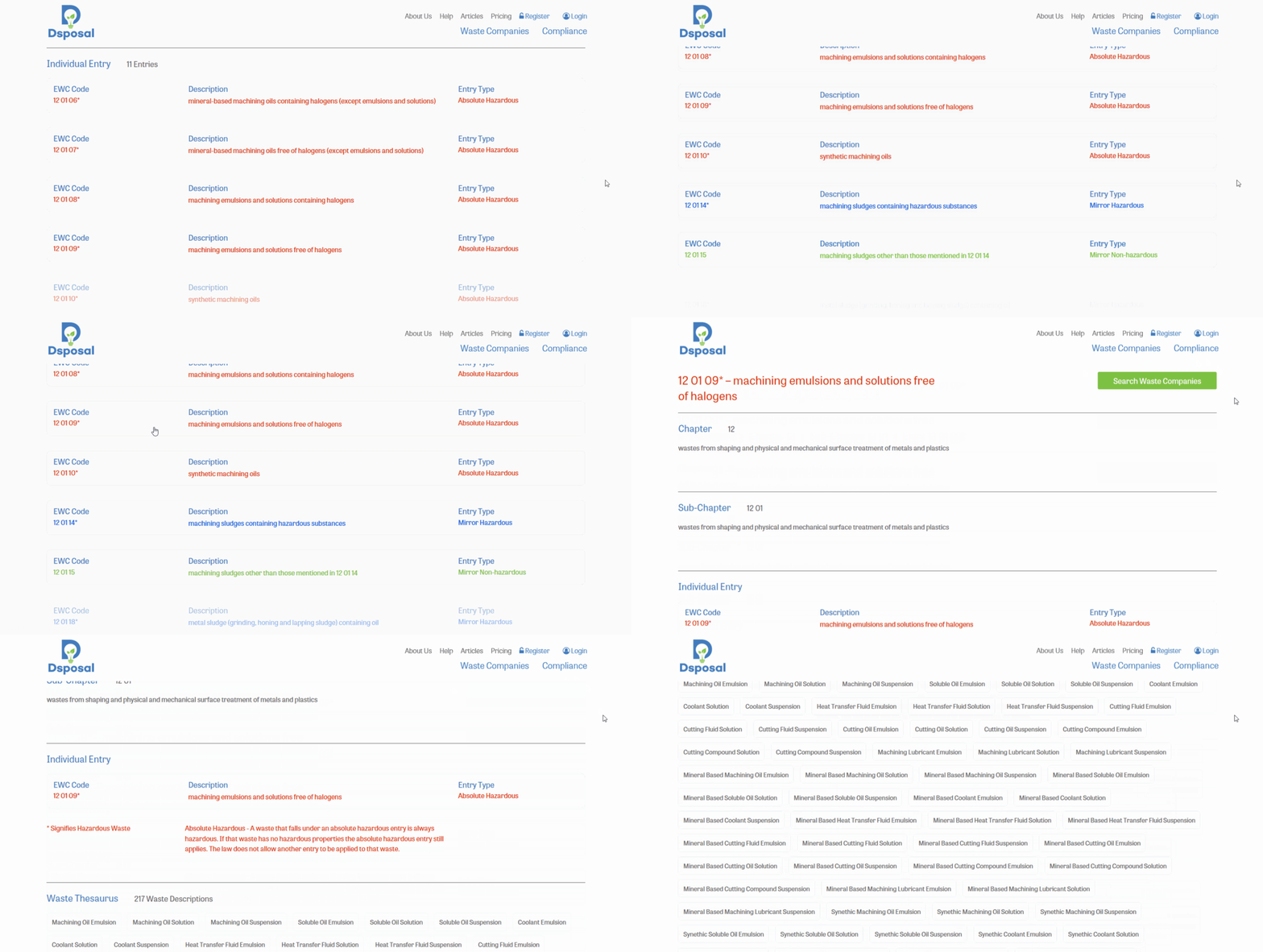
Clicking on the entry shows a synopsis of that code, including:
- the chapter number with description
- the sub-chapter number with description
- the individual EWC code entry with description and additional information
- the Waste Thesaurus keywords related to that entry